
Multiple specialist structures
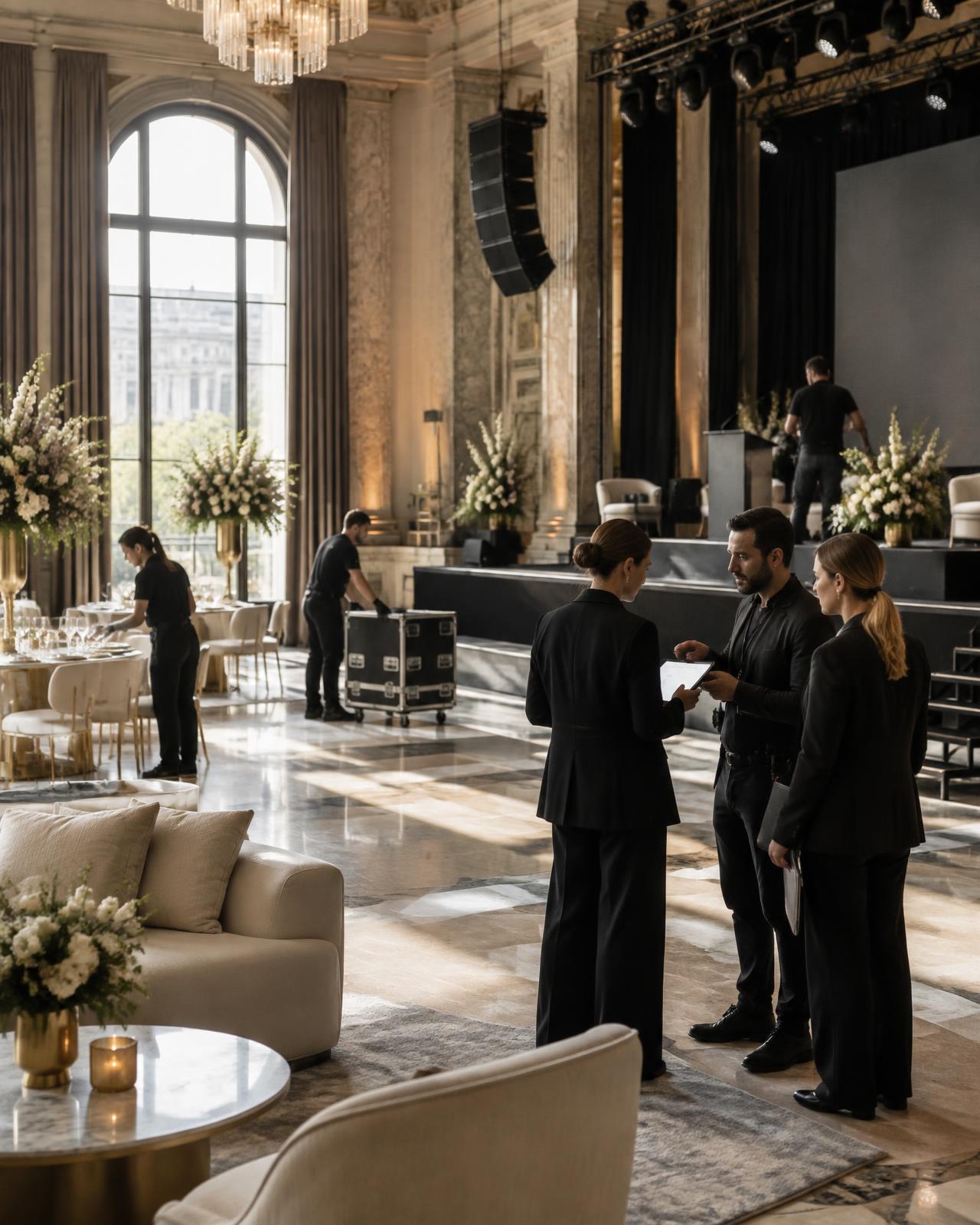
Production, hospitality, Mobility, venue, Security, AV, technical logistics and other operators can contribute to the same programme while maintaining different responsibilities.
AGENCIES · DMC · PCO · PRODUCTION COMPANIES
A complex event, MICE programme or production can be perfectly designed and managed by the responsible entity without every operational component necessarily belonging to the same perimeter.
When Mobility, hospitality, venue, delegations, executives, sponsors, productions, Security, Private Aviation and different operators must contribute to the same programme, the number of interdependencies that the agency or production team must manage increases, in addition to their primary responsibility. Havermond works alongside event agencies, DMCs, PCOs, incentive houses and production companies through Event Operations Coordination and Operational Coordination mandates for the components entrusted to its oversight.
The model does not replace project management, creativity, production or event organisation.
It integrates Strategic Advisory, Operational Coordination and Operational Continuity to ensure that the operational structures involved remain consistent with the programme defined by the agency or the responsible organisation.
The agency retains overall control of the event. Havermond oversees the operational interdependencies included in the mandate.
01

Not every event or production requires an additional coordination structure.
The need arises when the number of stakeholders, geographies, guest categories and operational components increases to the point of generating dependencies that span multiple workstreams.
Production, hospitality, Mobility, venue, Security, AV, technical logistics and other operators can contribute to the same programme while maintaining different responsibilities.
Executives, delegations, speakers, sponsors, buyers, clients and representative guests can follow different programmes within the same event.
Hotels, venues, corporate headquarters, airports, FBOs, dinner locations and other spaces can generate reciprocally dependent operational sequences.
Conventions, incentives, roadshows, Fashion Week, summits and productions can unfold through Multi-Day programmes where a variation impacts subsequent phases.
Updates to the Run of Show, arrivals, programme changes, venue changes or client requirements may necessitate the simultaneous realignment of multiple structures.
02
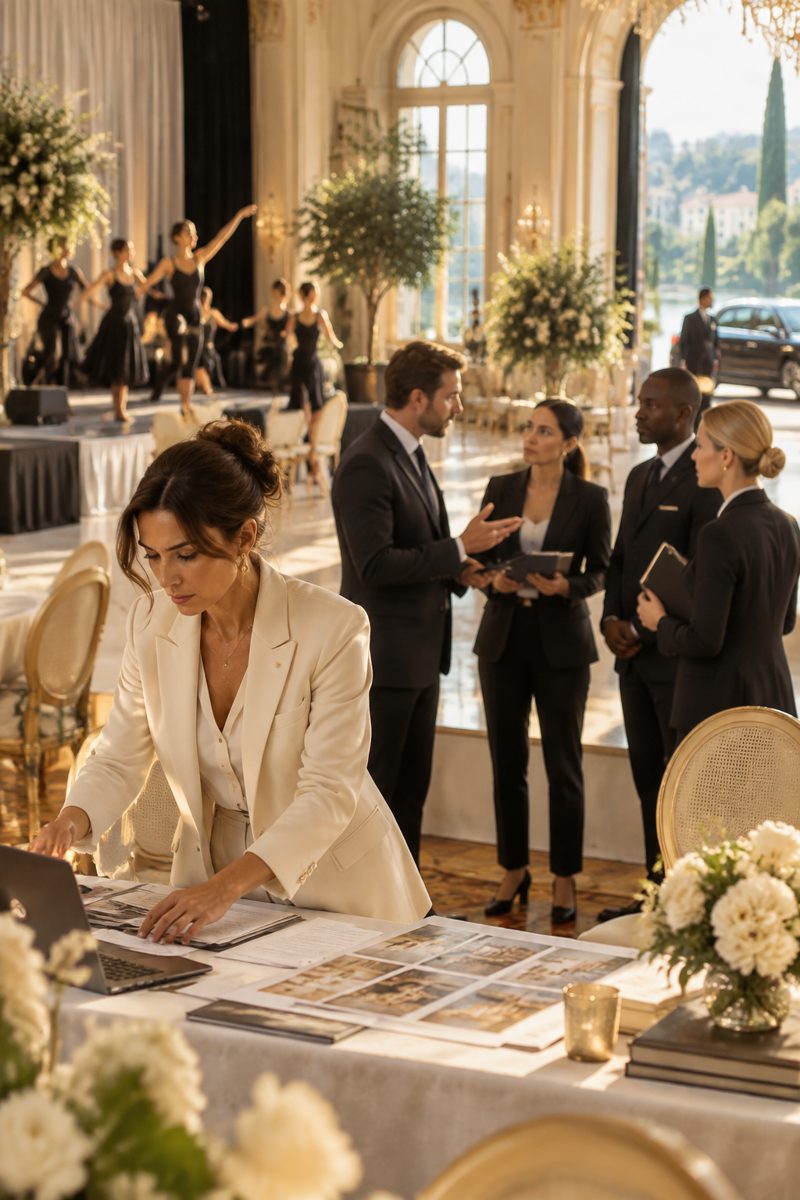
When all operational interdependencies remain directly under the agency's purview, project directors and production teams may be forced to dedicate an increasing portion of their time to realigning external structures.
The Havermond model introduces dedicated oversight for the components defined by the mandate.
Stakeholders, Mobility, hospitality, venue, operators and key dependencies are assessed against the same programme.
The agency does not necessarily have to become the operational hub connecting every involved operator.
Creativity, production, event management and client relationship remain with the responsible structures; Havermond oversees the coordination entrusted to its mandate.
A variation is evaluated for its consequences on other components before coordinating the necessary adjustments.
When appropriate, the components entrusted to Havermond can be consolidated under a single operational reference point.
03
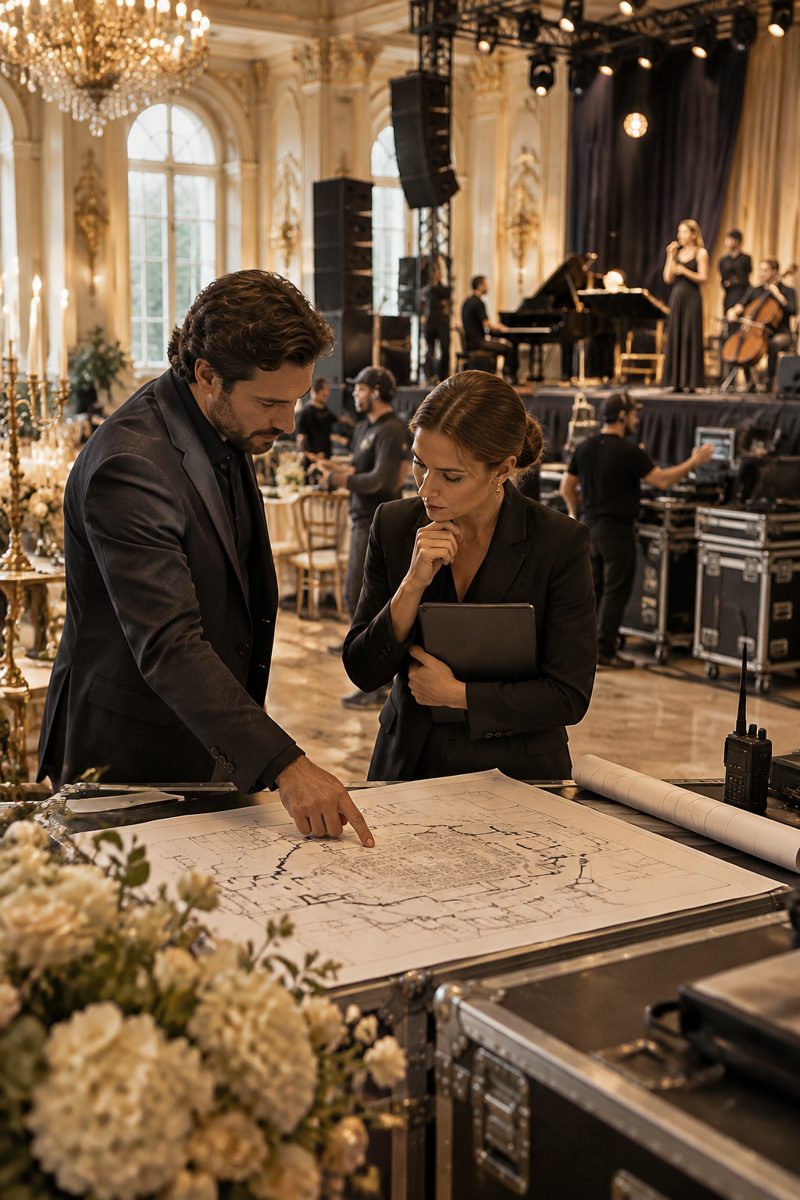
Havermond does not enter the programme by replacing the existing organisation.
The starting point is to understand:
From this framework, the scope of the mandate is defined.
The objective is to avoid duplication.
04

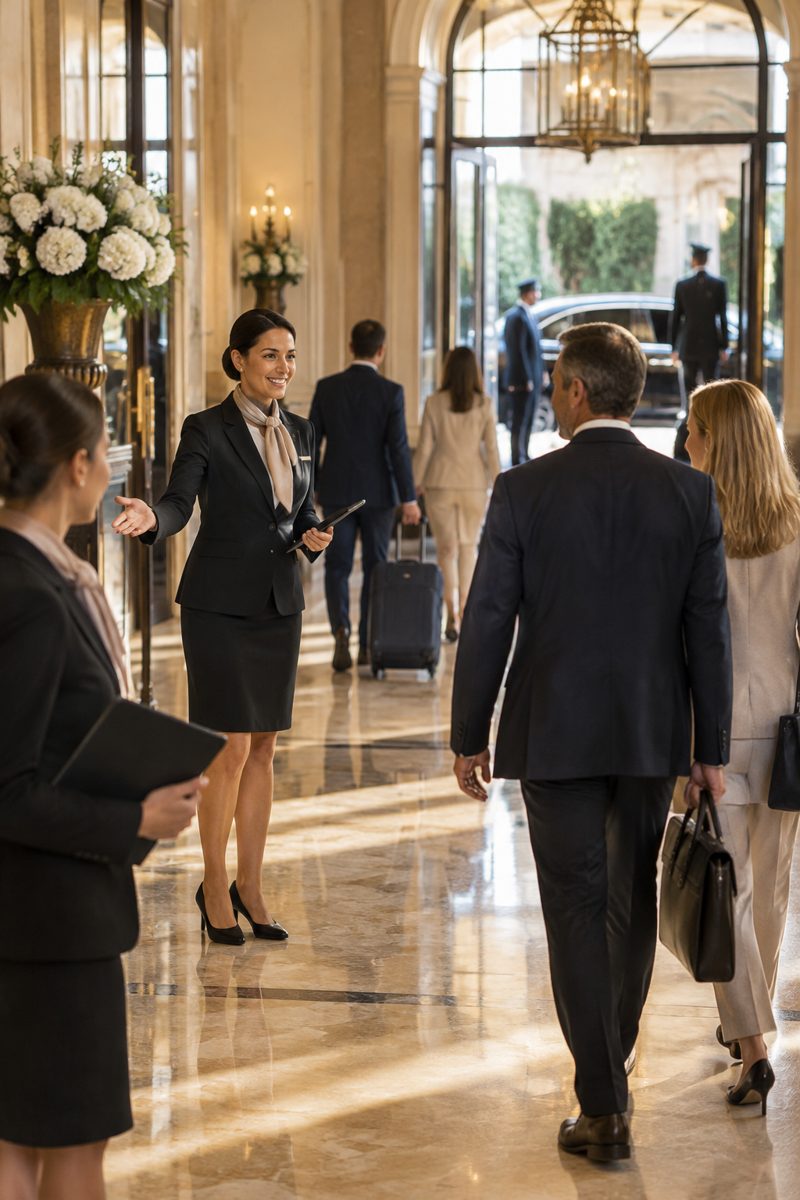
The Mobility component can become particularly complex when guests, executives, or delegations need to traverse airports, FBOs, hotels, venues, and various activities.
Havermond can structure the relevant Event Mobility Programme, maintaining consistency between:
Mobility is not managed as a function separate from the event.
It is coordinated with respect to what needs to happen before, during, and after each movement.
05
Congresses, conventions, incentives, and corporate programmes can involve different categories of participants.
Delegates, executives, speakers, and guests may have:
Havermond can maintain the connection of the components entrusted to its mandate so that the various Guest Movements remain consistent with the programme defined by the organisation.
06

Some events require differentiated management for executives, board members, prominent speakers, sponsors, partners or representative guests.
These programmes may introduce specific dependencies between:
Havermond can coordinate these interdependencies while maintaining a clear relationship with the event team and the structures responsible for the guest.
When the programme has a strong executive component, the relevant framework is explored in the dedicated area.
07

Hotels and hospitality venues can fulfil multiple functions simultaneously within a programme:
When multiple hotels or hospitality operators are involved, Havermond can coordinate the interdependencies included in the mandate concerning guest programmes, Mobility, venues, and subsequent activities.
The hotel retains responsibility for the activities specific to its structure.
08
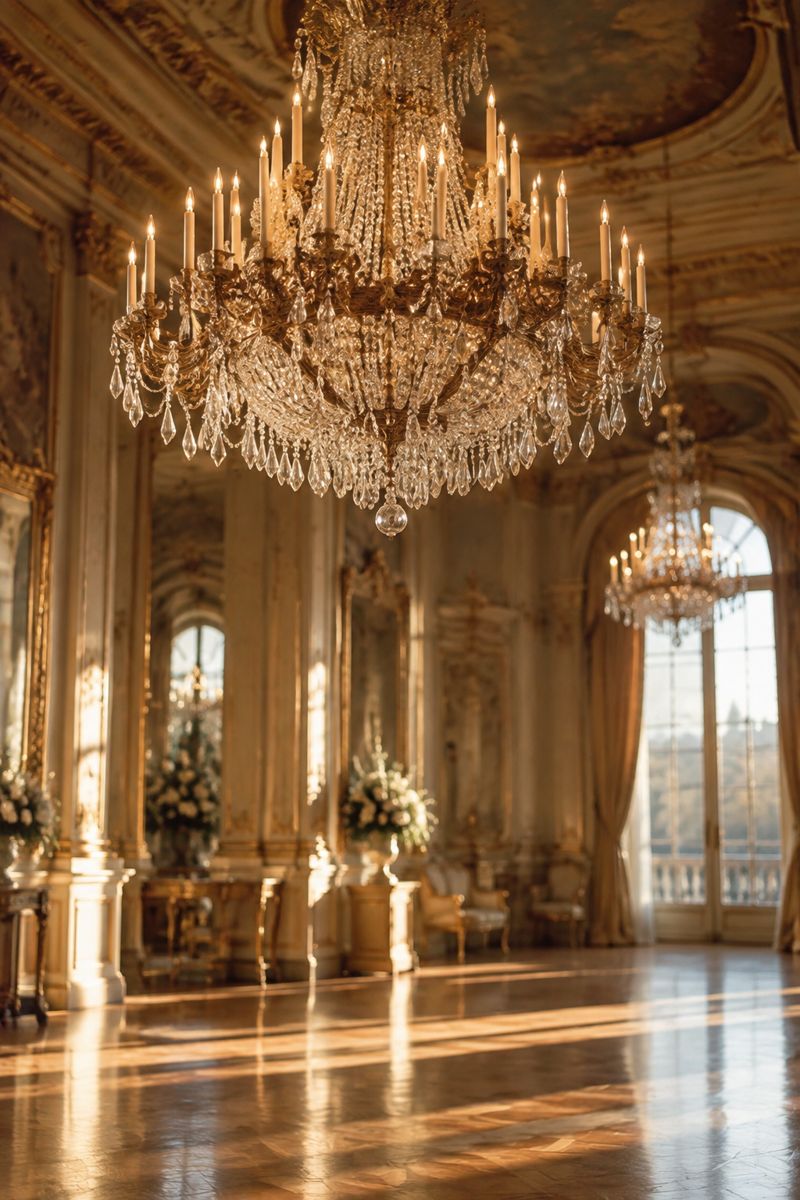
A Multi-Venue event may require continuity between spaces with different characteristics, access, and operators.
The programme may include:
HOTEL → CORPORATE VENUE → EVENT VENUE → DINNER → HOTEL
or more complex sequences developed over several days.
Havermond can oversee interdependencies related to:
The venue remains responsible for the activities and spaces under its purview.
Coordination concerns what must happen between one component of the programme and the next.
09
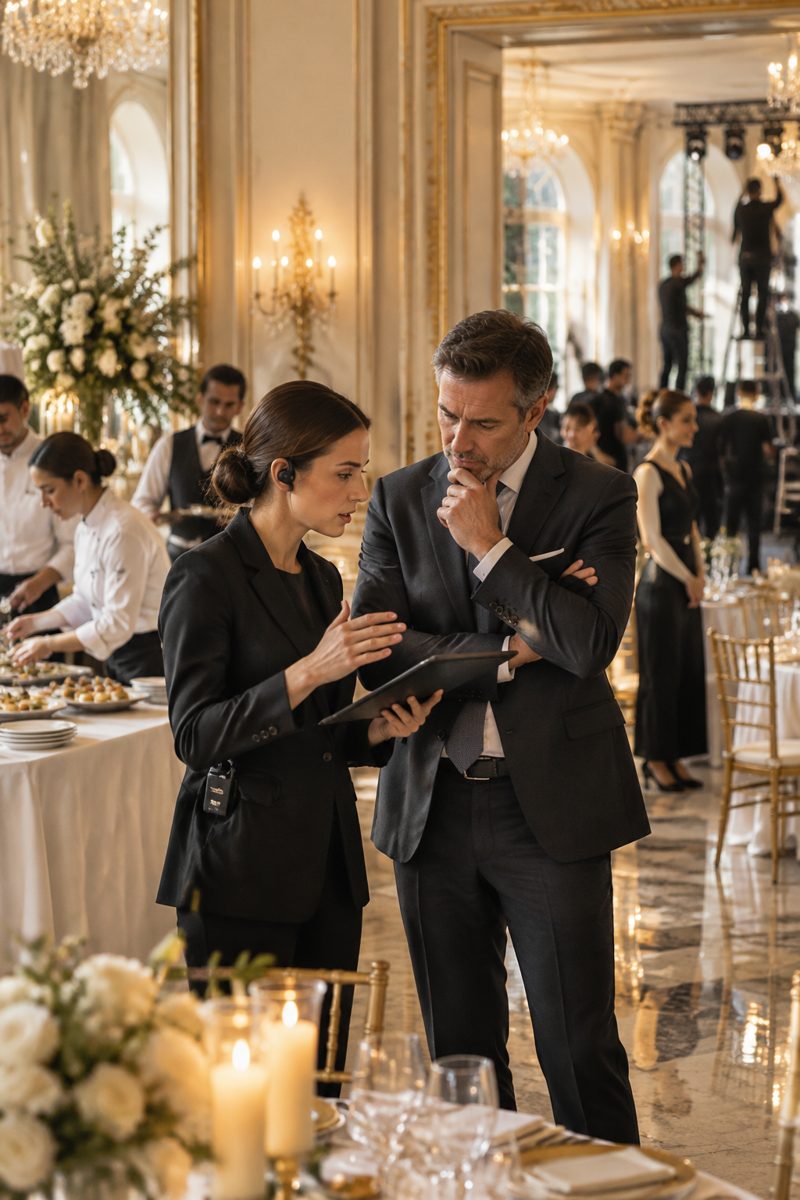
In more complex programmes, coordination may require on-site supervision during execution.
Havermond On-Site Coordination does not replace production management.
It can be dedicated to the components defined in the mandate and maintain liaison with:
On-site supervision allows for the reception of variations and coordination of their consequences on the affected components.
10
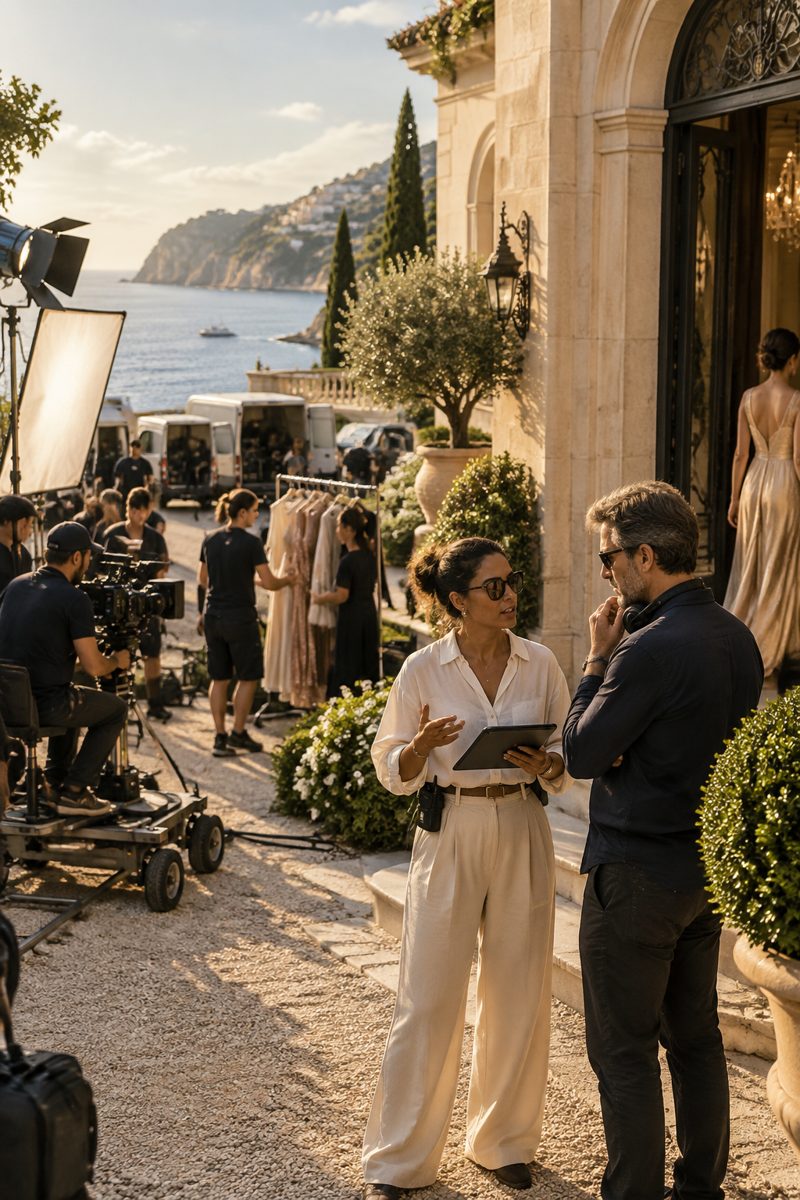
Production companies may operate in contexts where the technical or creative component represents only a part of the overall programme.
Shooting, product launch, fashion programme, press event, branded experience, corporate event and special productions may simultaneously require:
Havermond does not assume production responsibilities.
It can oversee the interdependencies between the operational components entrusted to its mandate, allowing the production team to maintain focus on their execution.
11
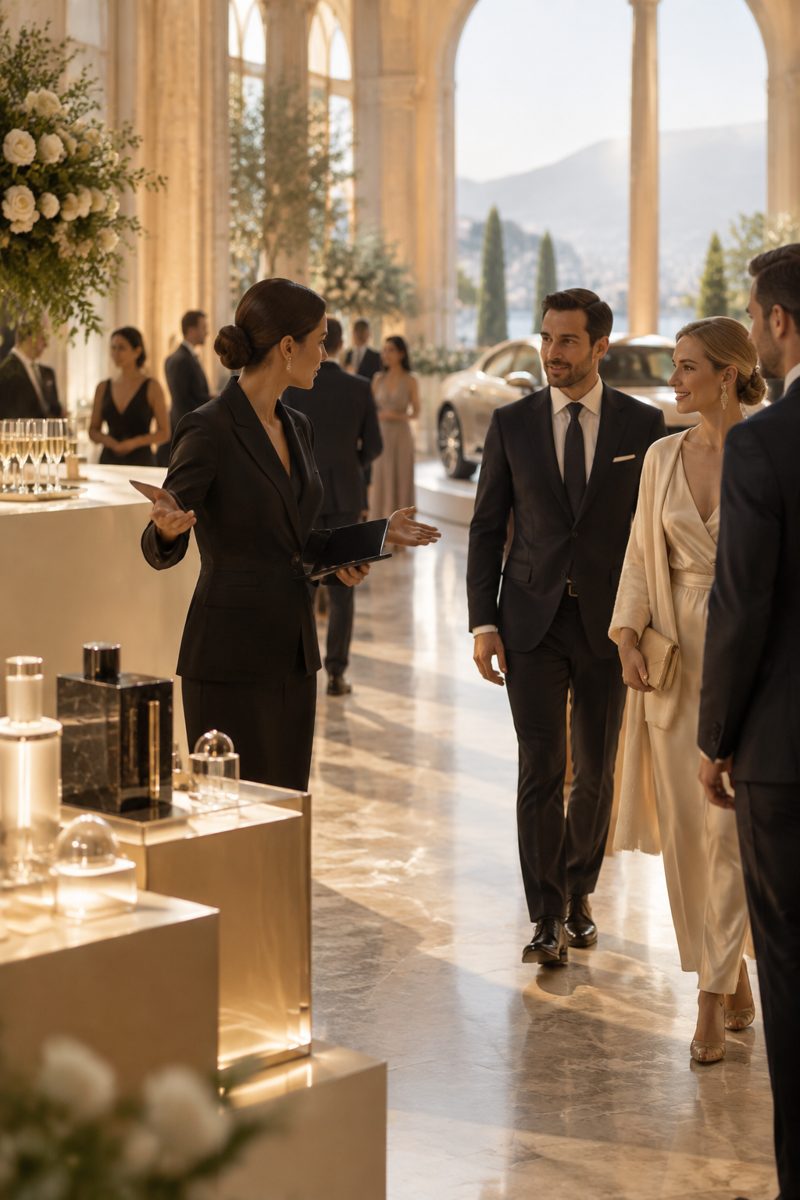
Brand activation, launch, hospitality programmes and high-exposure initiatives can involve sponsors, management, buyers, partners and guests with differing needs.
In these cases, Havermond can maintain liaison between:
The mandate does not concern the commercial or creative relationship with the sponsor.
It concerns the coordination of the operational components through which the sponsor or their guests participate in the programme.
12

Fashion Week, luxury events, presentations, launches, and high-exposure programmes can generate a level of complexity not necessarily linked to the overall number of guests.
The concentration of:
can significantly increase operational interdependencies.
Havermond can maintain an Operational Coordination framework dedicated to the components included in the mandate, integrating with agencies, fashion houses, production teams, and other structures already responsible for the programme.

13
Meetings, incentives, congresses, conventions, and exhibitions may require continuous liaison between the organisation, guests, hospitality, and Mobility.
Havermond can operate alongside PCOs, DMCs, and MICE organisations when the programme requires dedicated oversight of:
The PCO retains responsibility for the congress.
The DMC retains responsibility for the activities entrusted to them.
14

In international programmes, a DMC can represent an essential component of local execution.
Havermond does not replace this function.
Instead, it can coordinate the liaison between multiple local structures when the programme spans:
Local expertise remains within the territory.

15
Executives, sponsors, talent, or VIP guests can reach an event via Private Aviation.
In these cases, the Aviation component is not managed by Havermond.
Relevant Aviation Inputs are received concerning their impact on the destination programme.
The coordination may involve:
AVIATION INPUTS → FBO → GROUND MOBILITY → HOTEL / VENUE → EVENT PROGRAM
Flight Department, Aircraft Operator, FBO, and Ground Handler retain their respective responsibilities.
Havermond maintains coordination of the Mobility component at the destination within the scope defined by the mandate.
16

Corporate events, institutional programmes, luxury events, and high-profile contexts may require specific Security Requirements.
Corporate Security and Executive Protection specialists retain responsibility for assessment and protective measures.
Havermond can integrate the relevant directives into the operational components included in the mandate.
The coordination may involve:
17
Havermond is designed to integrate into programmes where a governance structure already exists.
It can work in conjunction with:
The mandate establishes:
18

Complex events and productions generate a high volume of information.
Run of Show, guest list, arrival information, venue update, executive agenda, Security Requirements, and operational changes do not necessarily need to be shared in the same way with all stakeholders.
The mandate can define:
19

During execution, decisions belonging to different parties may emerge.
A change may require agency approval.
An update may be the client's responsibility.
A technical decision may belong to production.
A Security Requirement may come from the competent team.
The Havermond framework keeps legible:
This prevents urgency from leading to an overlap between different roles.
20
An event rarely unfolds exactly according to its initial configuration.
Agenda, guests, arrivals, venue, or client needs may change.
Operational Continuity ensures that information, decisions, responsibilities, and execution remain consistent when a variation involves multiple workstreams.
The change is evaluated against its consequences for the overall programme and communicated to the relevant structures.
The Run of Show may change. The relationships through which it is executed must remain manageable.

21
Agencies, DMCs, and production companies can manage programmes spanning multiple days, venues, cities, or countries.
In these cases, Havermond can maintain continuity between:
Each phase may have different local structures.

22
The model requires a clear distinction between Event Management, production, Strategic Advisory, Operational Coordination, and specialist execution.
Event Agencies, PCOs, and DMCs retain responsibilities for the activities entrusted to them.
Production companies retain the creative, technical, and production responsibilities outlined in their respective assignments.
Venue and hospitality operators retain responsibility for their own facilities.
Mobility, Aviation, and Security operators retain their respective specialist responsibilities.
The client retains the decision-making levels provided for in the programme.
Havermond operates at the level of Operational Coordination and Operational Continuity defined by the mandate.
Responsibilities remain distributed. Interdependencies entrusted to Havermond are governed as part of the same programme.
23

Not every event, MICE programme, or production requires a Havermond mandate.
The need increases when multiple workstreams, stakeholders, operators, venues, or geographies become interdependent, and the burden of cross-functional coordination risks falling entirely on the structure responsible for the project.
The preliminary assessment may consider:
From this framework, the scope of Operational Coordination that can be entrusted to Havermond is defined.
The model can integrate with existing project structures, operators, and professionals without necessarily altering their roles and responsibilities.